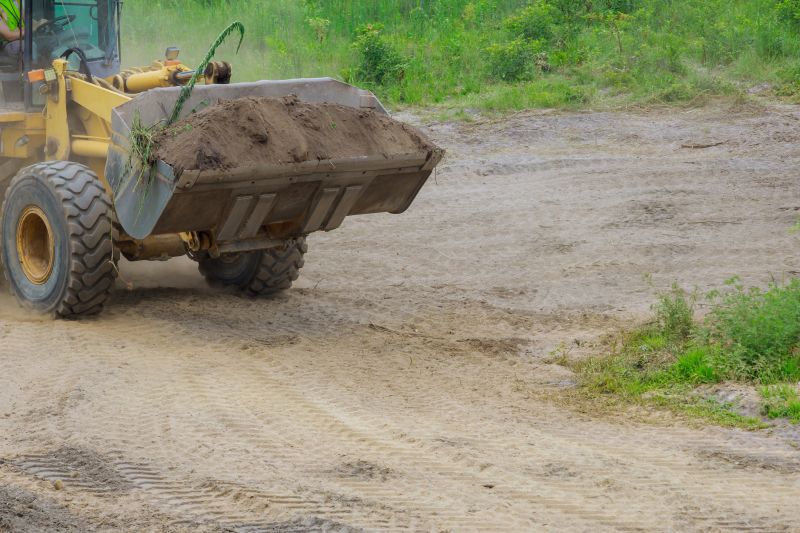
Ground Leveling in Salt Lake City, UT
Ground level leveling services involve adjusting the elevation of a property’s terrain to create a stable, even surface. This process is commonly used for a variety of projects, including preparing yards for landscaping, installing new driveways, or correcting uneven ground caused by erosion or settling. Property owners typically seek this service to improve drainage, enhance safety by reducing trip hazards, or to establish a uniform foundation for future construction or landscaping efforts.
Before requesting ground leveling, property owners should consider the current condition of the terrain, including identifying any underlying issues such as drainage problems or unstable soil. It’s also helpful to understand the scope of the project, including the size of the area to be leveled and any specific goals for the finished surface. Proper assessment and planning can ensure the ground is prepared effectively for the desired results.
Many property owners in Salt Lake City, UT look into Ground Leveling for repairs, replacements, upgrades, and appearance-related improvements.
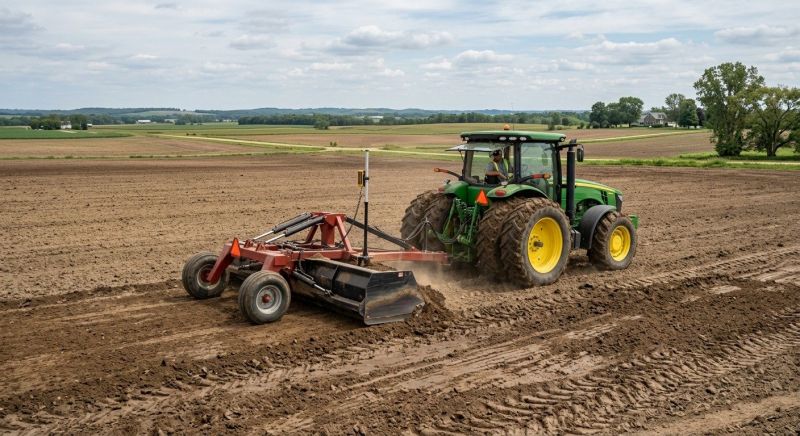
Benefits Of Ground Leveling
Proper leveling helps prevent foundation issues and creates a stable surface for landscaping or construction.
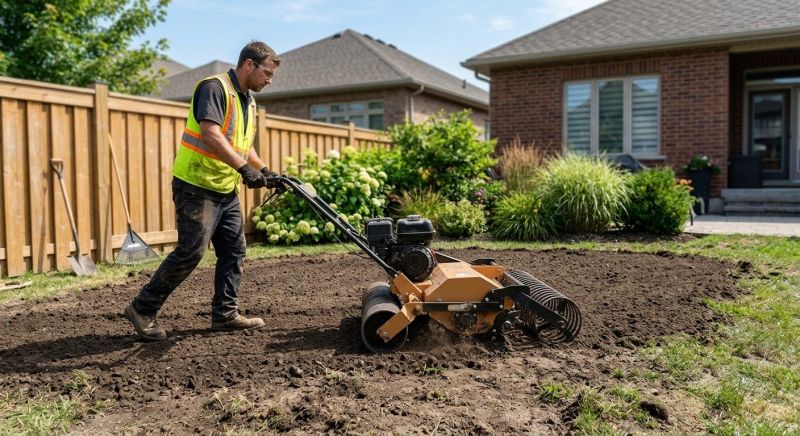
Common Ground Leveling Projects
Residential driveways, backyard patios, and uneven yard areas often require ground leveling to ensure safety and durability.
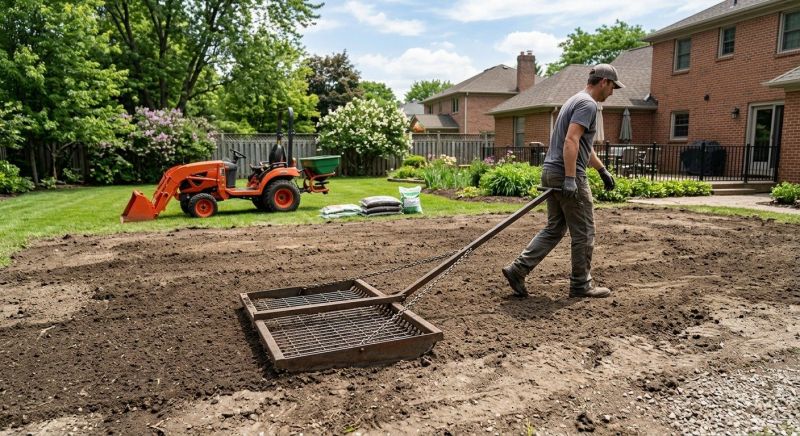
What To Expect During Ground Leveling
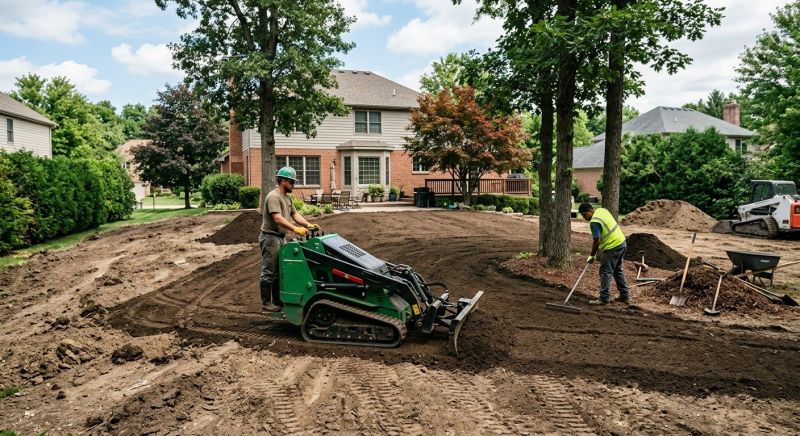
The process involves grading and smoothing the soil to achieve a flat, even surface suitable for various property needs in salt lake city, ut.
Ground Leveling in Salt Lake City, UT

Ground level leveling services involve adjusting the elevation of a property’s terrain to create a stable, even surface. This process is commonly used for a variety of projects, including preparing yards for landscaping, installing new driveways, or correcting uneven ground caused by erosion or settling. Property owners typically seek this service to improve drainage, enhance safety by reducing trip hazards, or to establish a uniform foundation for future construction or landscaping efforts.
Before requesting ground leveling, property owners should consider the current condition of the terrain, including identifying any underlying issues such as drainage problems or unstable soil. It’s also helpful to understand the scope of the project, including the size of the area to be leveled and any specific goals for the finished surface. Proper assessment and planning can ensure the ground is prepared effectively for the desired results.
Many property owners in Salt Lake City, UT look into Ground Leveling for repairs, replacements, upgrades, and appearance-related improvements.
Common Ground Leveling Jobs
Driveway leveling - ensures a smooth, even surface for safe vehicle access and parking.
Foundation leveling - corrects uneven foundations to prevent structural issues and improve stability.
Landscape grading - directs water away from buildings to reduce erosion and prevent flooding.
Sidewalk leveling - repairs uneven or cracked walkways for safety and aesthetic appeal.
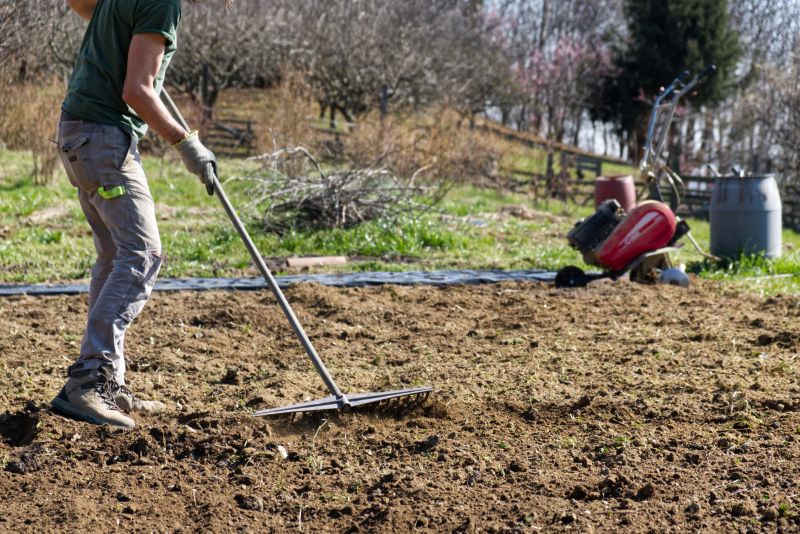
Yard leveling - creates a level surface for landscaping, gardening, or installing new features.
Slab raising - lifts sunken concrete slabs to restore a flat, safe surface around the property.
Ground Leveling Questions
What is ground leveling? Ground leveling involves adjusting soil or terrain to create a flat or gently sloped surface, suitable for construction or landscaping projects.
When is ground leveling needed? It is typically required when preparing a site for building foundations, patios, driveways, or to improve drainage and prevent erosion.
What methods are used for ground leveling? Common methods include grading, soil removal or addition, and compacting to ensure stability and proper slope.
How can property owners prepare for ground leveling? Clear the area of debris, remove obstructions, and identify any existing drainage issues to facilitate the process.
Request Ground Leveling in Salt Lake City, UT
Use the quote form on this page to share the basics of your project and request more information for the type of work you need.